Back to Blog
What is a Forward Curve? How it Affects Your Energy Budget
Learn how forward curves can help your business manage energy costs, reduce financial risk, and make data-driven procurement decisions in volatile markets.


Copy Link
A forward curve is a graphical representation of future prices for a commodity like electricity or natural gas over a set period, built from supply and demand data, weather forecasts and market conditions. It helps businesses decide when to lock in energy rates instead of guessing.
What Is a Forward Curve?
A forward curve is a graphical representation of the future prices of a commodity, such as electricity or natural gas, over a specific period. It is based on market data, including supply and demand dynamics, geopolitical events, weather forecasts, and economic conditions.
The curve itself is made up of forward contract prices, which reflect the cost of purchasing energy for a future delivery date. These contracts allow businesses to plan ahead by locking in energy prices at today’s rates rather than exposing themselves to unpredictable market fluctuations.
How Forward Curves Are Structured
Forward curves typically fall into three categories:
Contango: Future energy prices are expected to be higher than current prices. This can happen when market conditions suggest increasing demand, rising inflation, or supply constraints.
Backwardation: Future energy prices are expected to be lower than current prices. This occurs when there is an oversupply in the market or a decrease in demand.
Flat Curve: Prices remain relatively stable over time, meaning the market does not anticipate significant changes in energy costs.
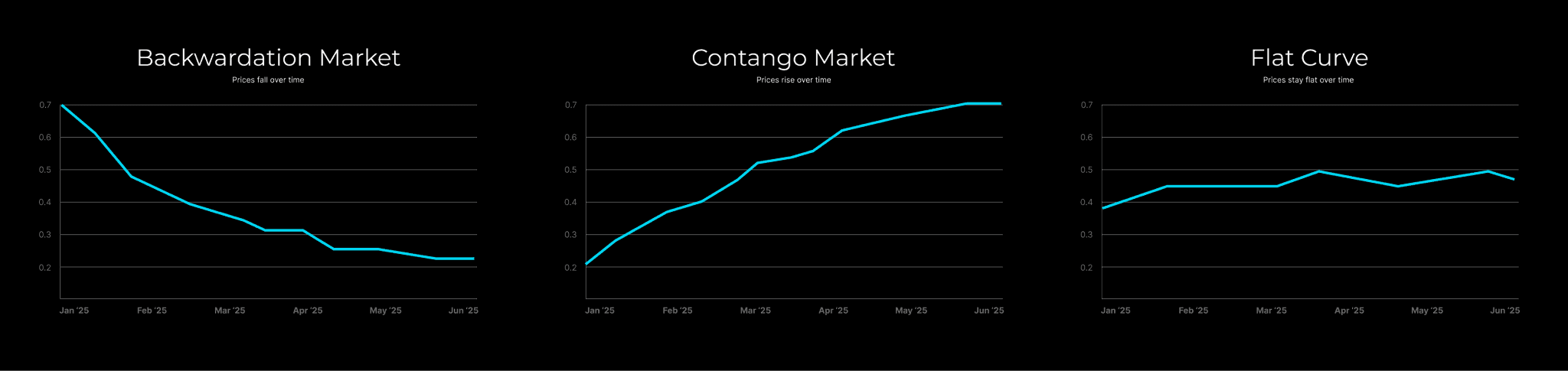
The shape of the forward curve helps energy buyers determine the best time to purchase and how long to lock in contracts.
How the Forward Curve Impacts Your Energy Budget
1. Timing Your Energy Contracts
Energy markets are unpredictable, but forward curves provide guidance on whether to lock in a contract now or wait for potentially better pricing. A well-timed energy purchase can result in significant savings over time, whereas poorly timed decisions can lead to higher costs and budget instability.
2. Managing Risk in Volatile Markets
Forward curves allow businesses to anticipate price fluctuations and reduce financial risk. If prices are projected to rise, locking in a rate early can prevent budget overruns. If prices are expected to fall, businesses can take a more flexible approach to energy procurement.
3. Budget Forecasting and Financial Planning
Forward curves provide valuable insight into expected future energy costs, making it easier to plan long-term budgets. By using forward data, businesses can create a more accurate forecast for utility expenses and avoid unexpected price spikes.
4. Identifying Market Trends
Understanding the forward curve helps businesses stay ahead of market shifts. Whether it’s increased natural gas production, geopolitical events, or seasonal weather impacts, forward curves provide a clearer picture of where the market is headed.
Energy prices fluctuate due to a variety of market forces, and forward curves offer a data-driven approach to managing these uncertainties. By incorporating forward curve analysis into your energy procurement strategy, you can lock in competitive rates, reduce financial risk, and create a predictable energy budget.

Let's Get Started
Get a free portfolio analysis to see what your strategy is actually costing you.